
Homotypic clustering of L1 and B1/Alu repeats compartmentalizes the 3D genome
L1 and B1/Alu repeats form homotypic nuclear compartments that partition the 3D genome and coordinate gene regulation.
This bibliography brings together 52 publications spanning genome organization and three-dimensional nuclear architecture; RNA networks and nuclear RNA homeostasis; transcriptional regulation and surveillance; single-cell genome activity and cell-fate dynamics; and foundational studies of stress signaling and epigenetic control of cell fate. Together, these studies examine how biological information is organized, processed and stabilized from the genome to cell state.
Thirteen representative papers highlight contributions to genome organization, RNA networks, transcriptional regulation, cell-fate dynamics, and foundational mechanisms of stress signaling and epigenetic control.
Genome Organization
Repetitive elements are not inert genomic material: their sequence identities contribute to homotypic clustering, chromatin compartmentalization, and coordinated regulation, establishing a spatial layer of biological information.
Representative published papers
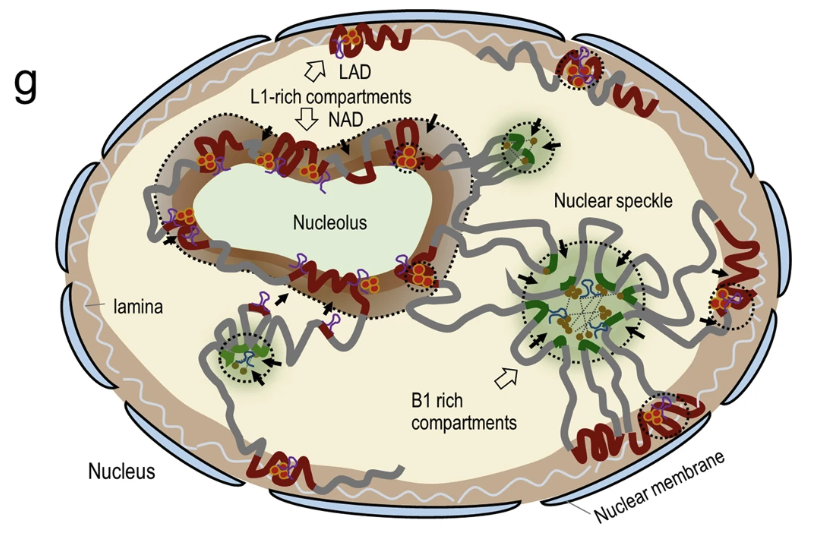
L1 and B1/Alu repeats form homotypic nuclear compartments that partition the 3D genome and coordinate gene regulation.
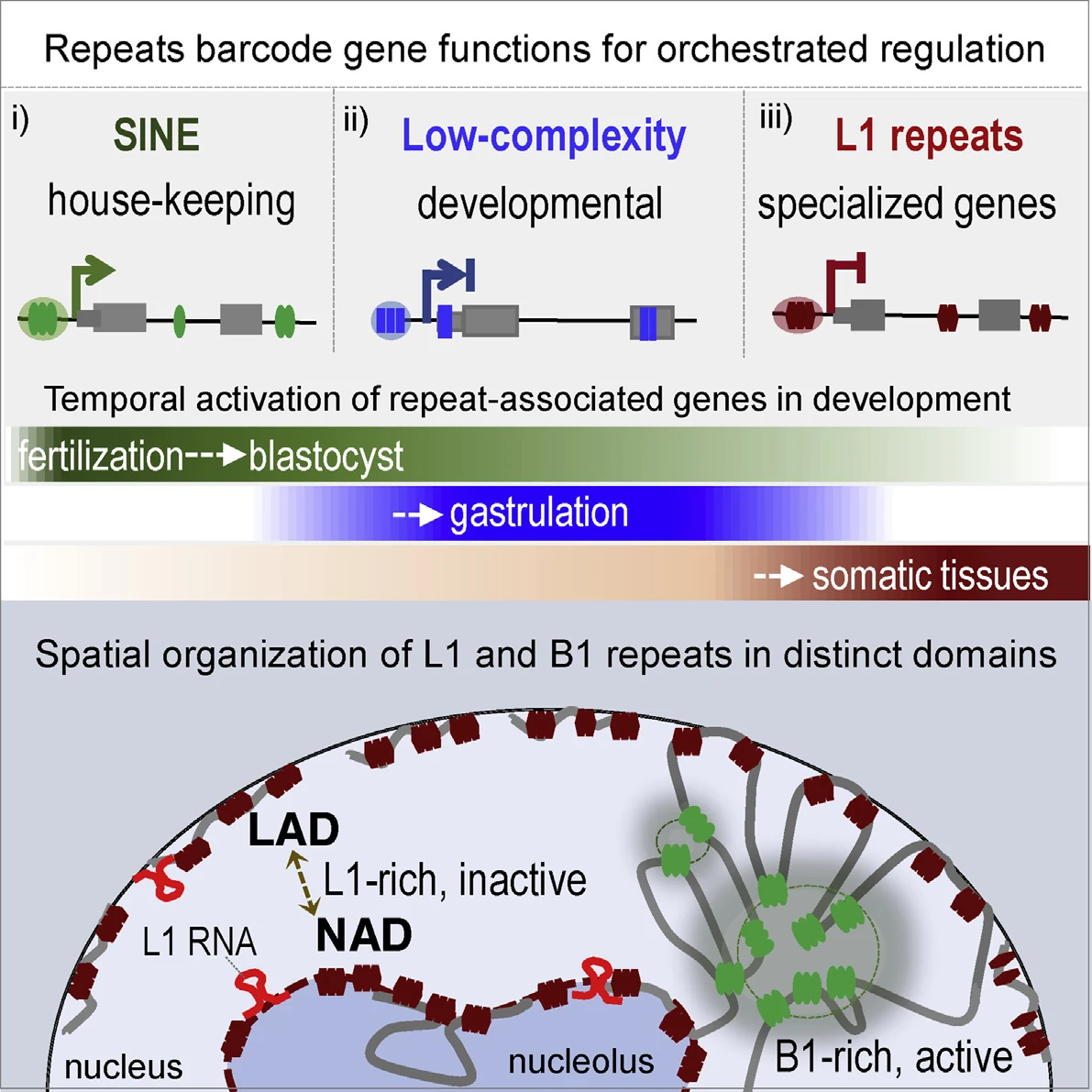
Repeat classes act as genomic barcodes that group genes by function, developmental timing, and spatial organization.
RNA Networks
The laboratory established genomic proximity as a principle of lncRNA-mediated cis regulation and revealed that nascent RNA and RNA-binding proteins organize transcriptional machinery, chromatin association, and nuclear environments through phase separation and RNA homeostasis.
Representative published papers
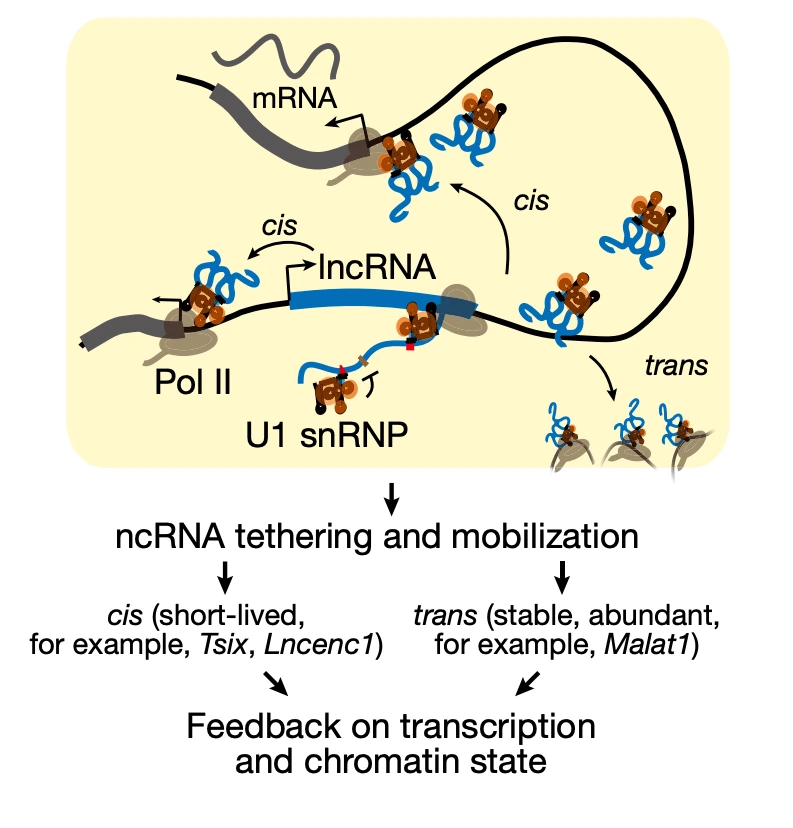
U1 snRNP recognizes 5′ splice-site motifs and, through transcriptionally engaged RNA polymerase II, tethers and mobilizes hundreds of lncRNAs and unstable noncoding transcripts on chromatin.
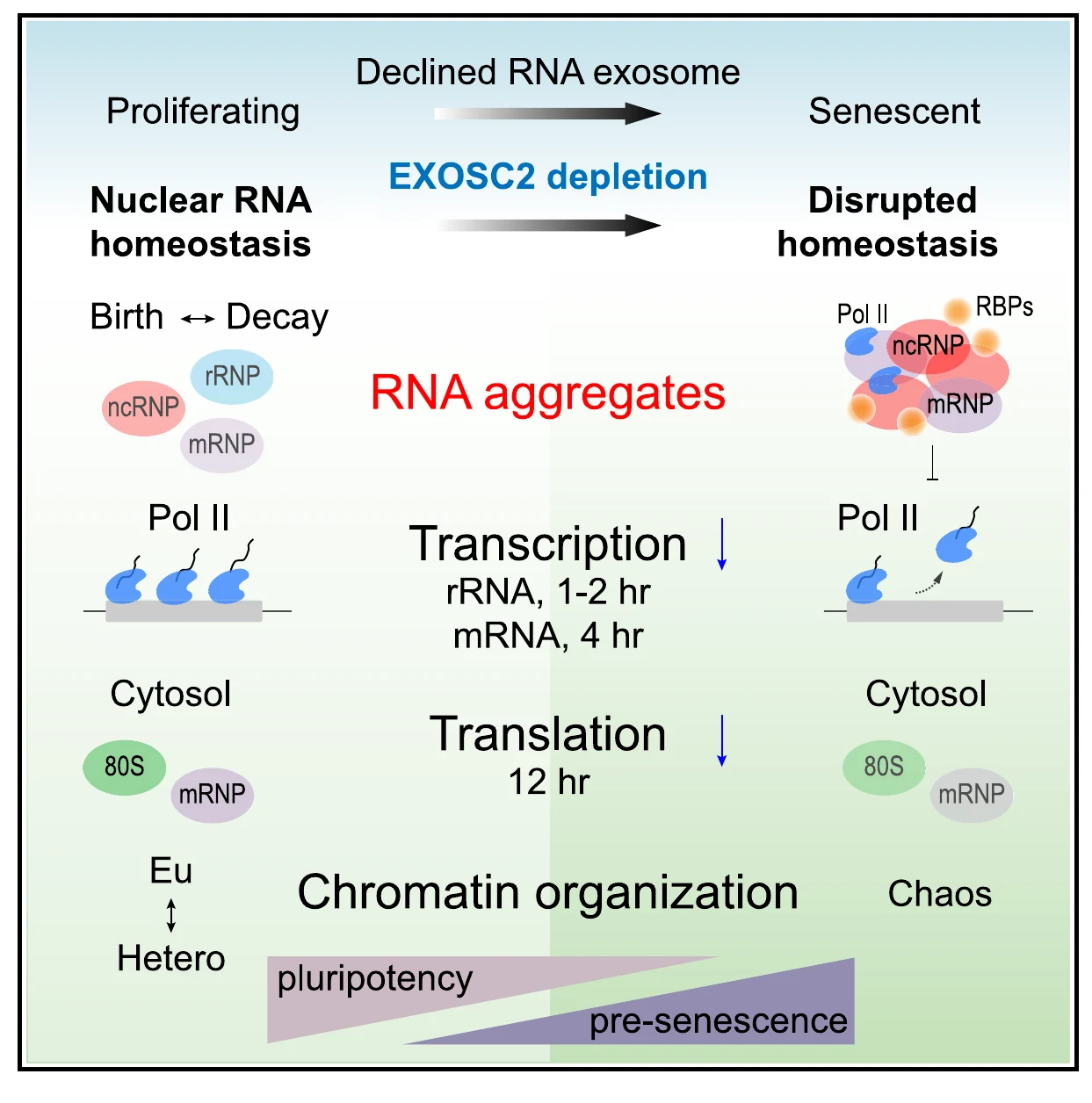
Nuclear RNA homeostasis coordinates transcription, translation, chromatin organization, and cell-state programs, linking RNA exosome activity to cell fate and vitality.
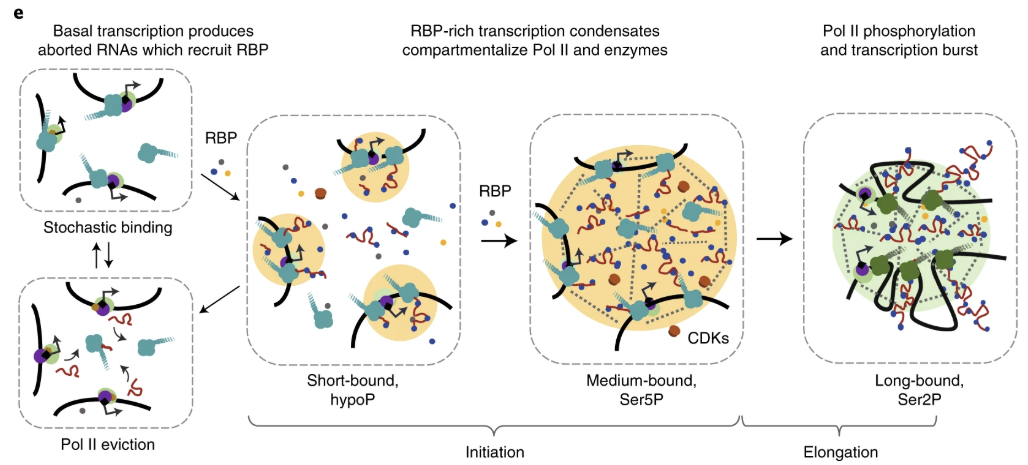
RNA-binding proteins assemble transcriptional condensates at promoters and enhancers, promoting RNA polymerase II engagement and transcription.
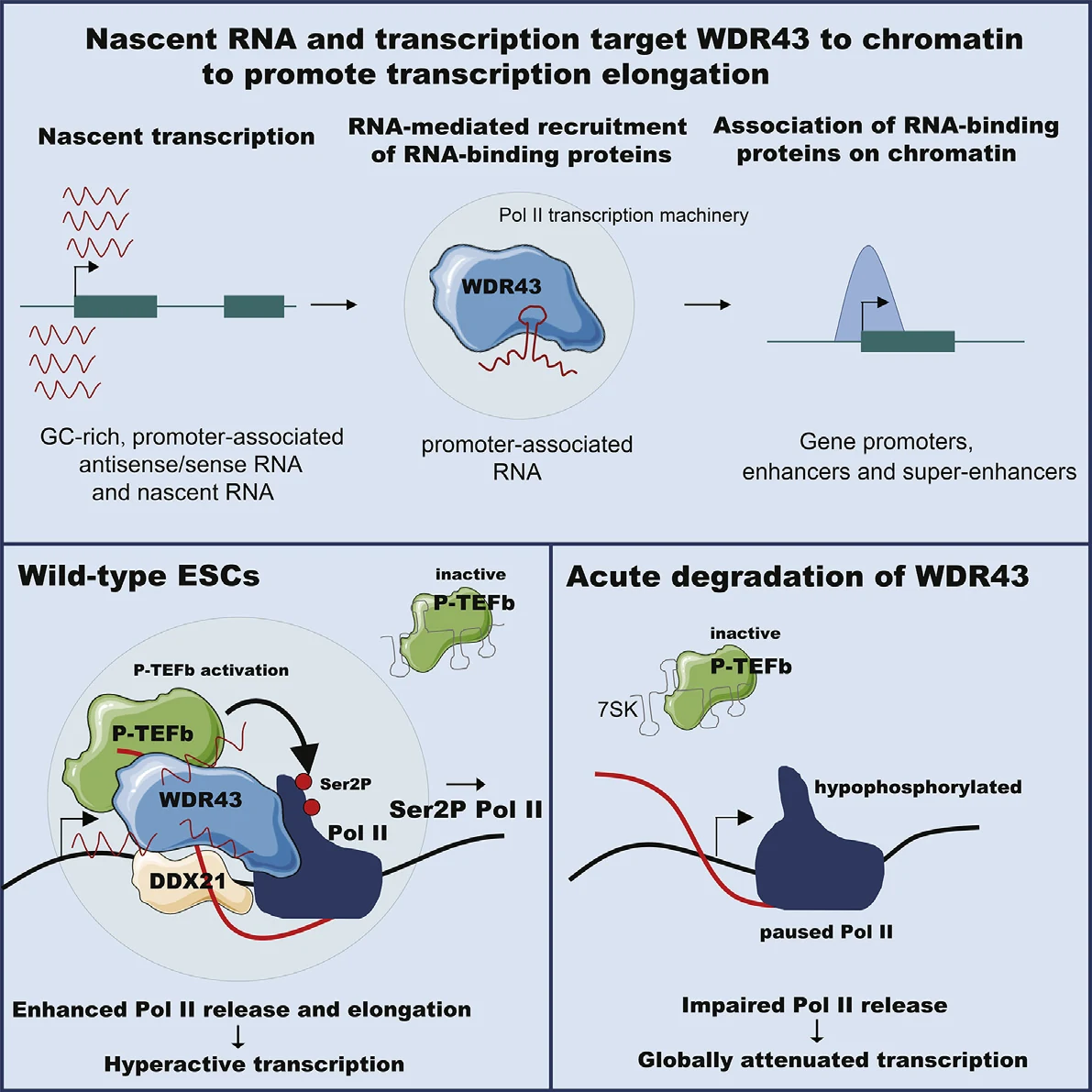
Nascent RNA recruits WDR43 to chromatin, coupling ribosome-biogenesis machinery to transcription elongation and pluripotency control.
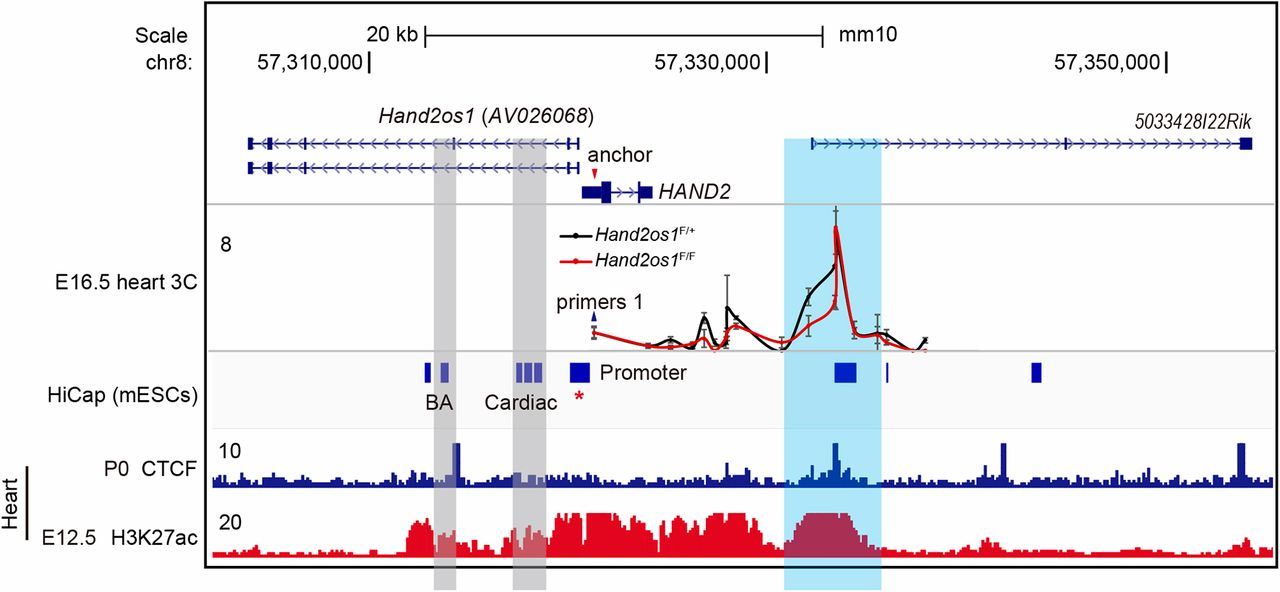
The Hand2os1/Uph locus controls precise HAND2 expression; its deletion disrupts embryonic heart development and causes congenital cardiac defects.
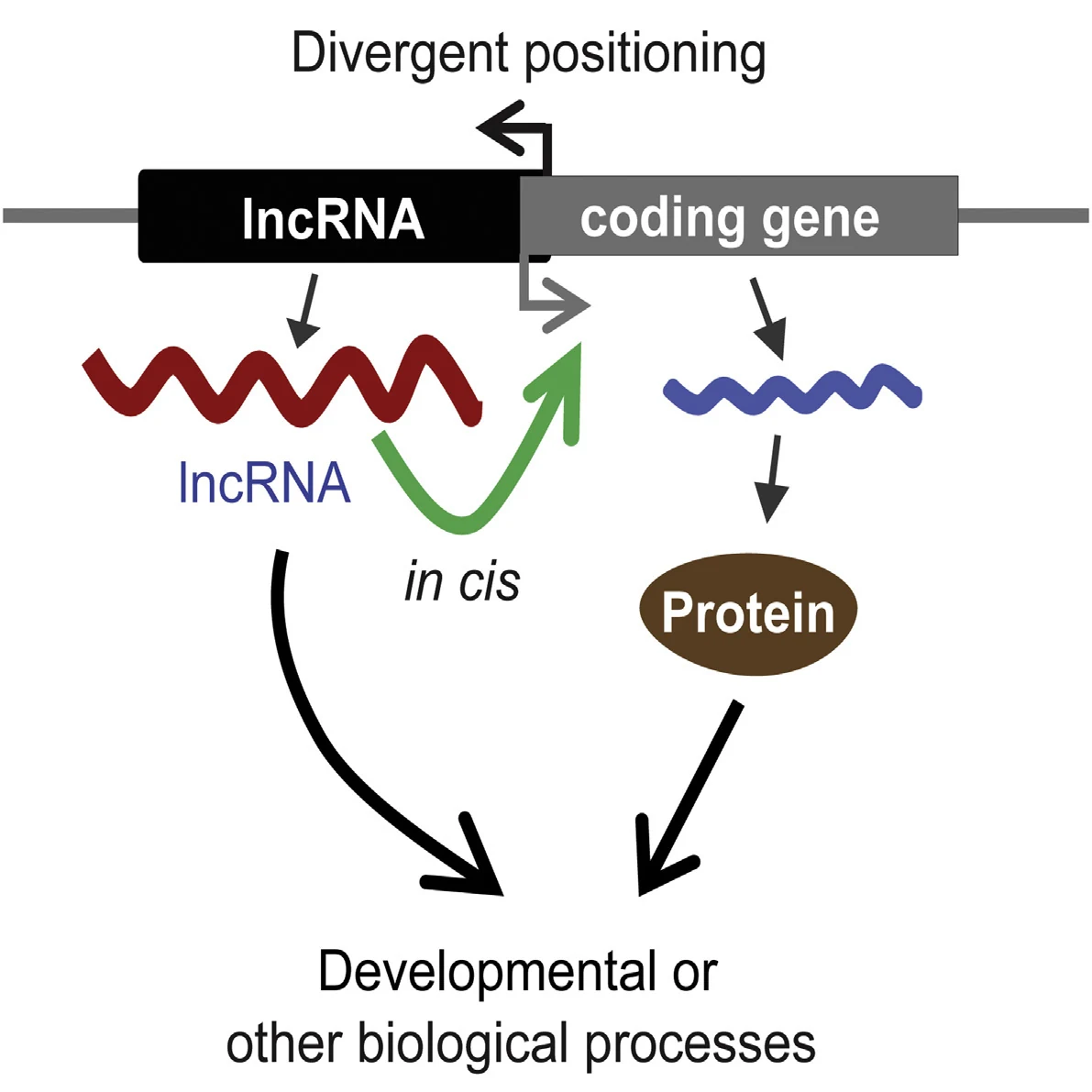
Divergent lncRNAs act in cis to tune neighboring coding genes and influence lineage differentiation in pluripotent cells.
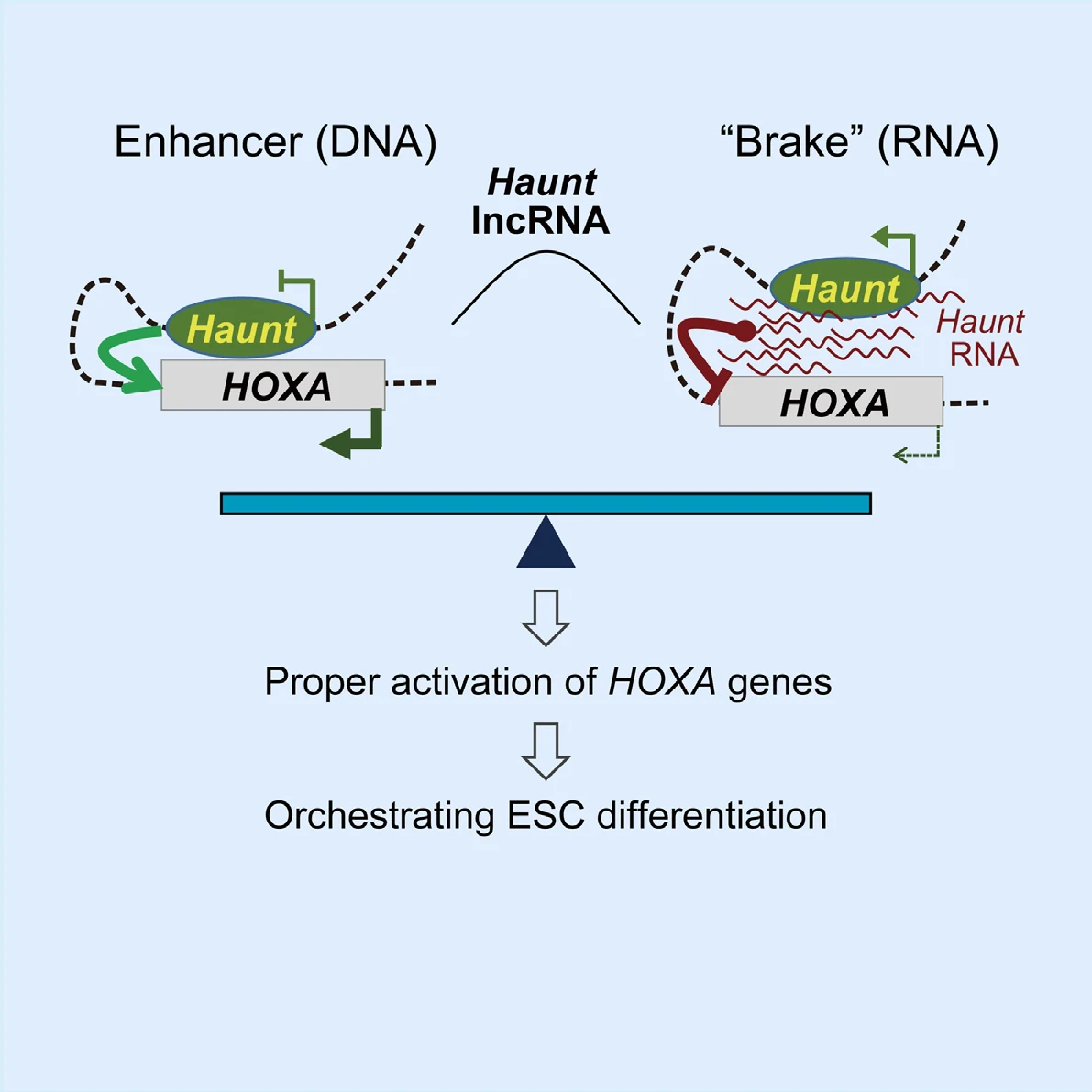
The Haunt RNA and its genomic locus exert opposing effects on HOXA activation during embryonic stem-cell differentiation.
Transcriptional Surveillance
Ongoing studies examine how RNA Polymerase II activity, RNA processing, RNA degradation, and quality control select productive outputs from pervasive genome activity. The CV identifies these studies as unpublished and does not identify a formal published paper for this contribution; their manuscript titles are therefore omitted.
Cell Fate Dynamics
scFLUENT-seq revealed that genome activity in individual cells is sparse and probabilistic. The publication reports a cell-type-dependent range of approximately 0.02%–3.1% of the genome transcribed per cell, supporting a model in which stable cellular identities emerge through statistical stabilization of stochastic transcription.
Representative published papers
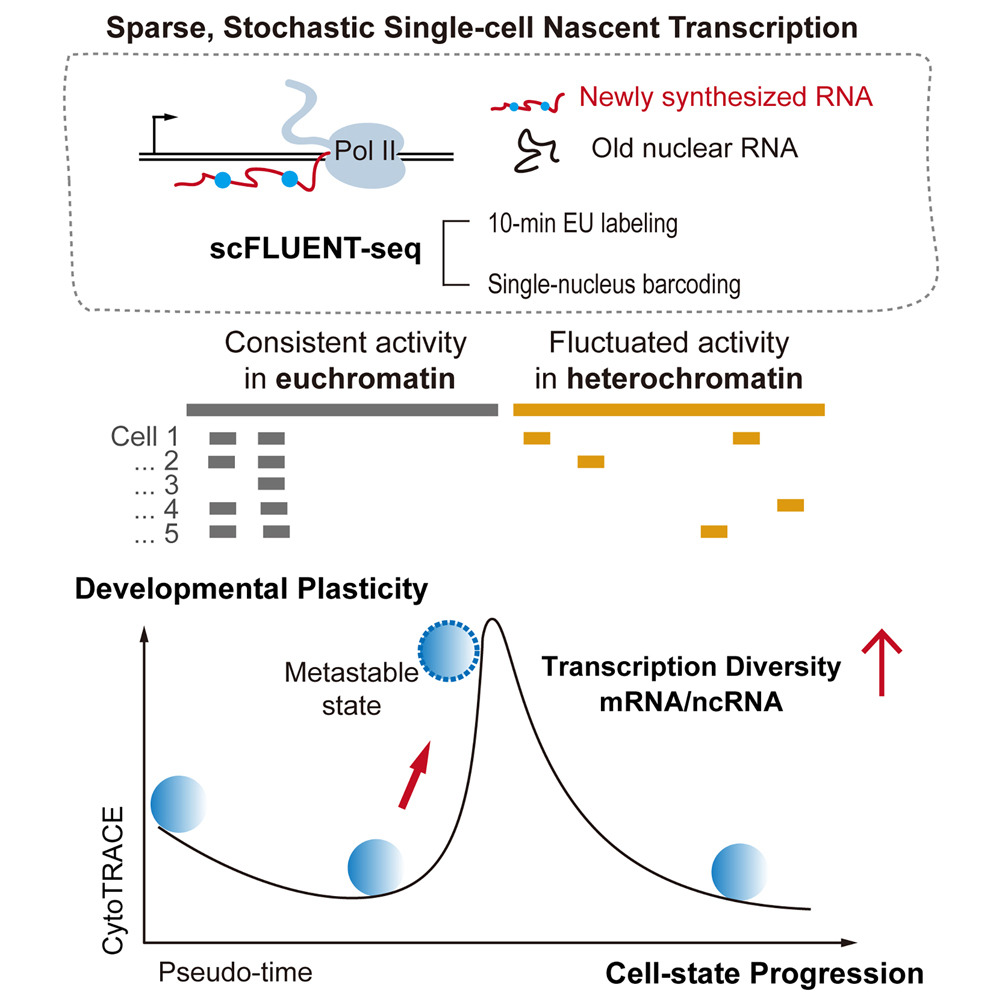
scFLUENT-seq reveals sparse and stochastic genome usage in individual cells and links transcriptional diversity to cellular plasticity.
Foundations
Earlier work defined conserved mechanisms of the unfolded protein response and identified Polycomb regulators that balance stem-cell self-renewal and differentiation, providing foundations for the laboratory’s current cell-fate questions.
Representative published papers
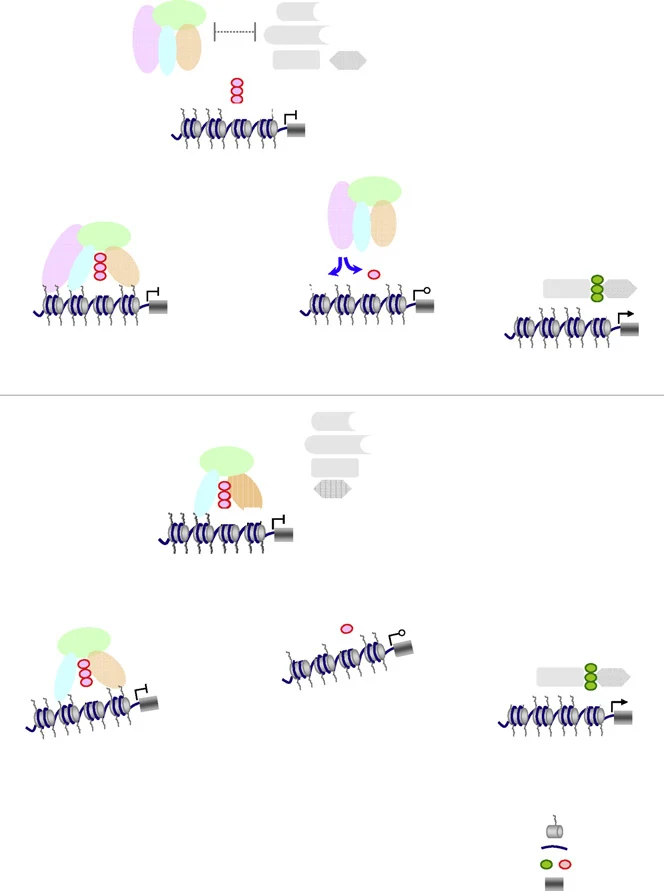
Jumonji modulates PRC2 activity to balance embryonic stem-cell self-renewal and differentiation.
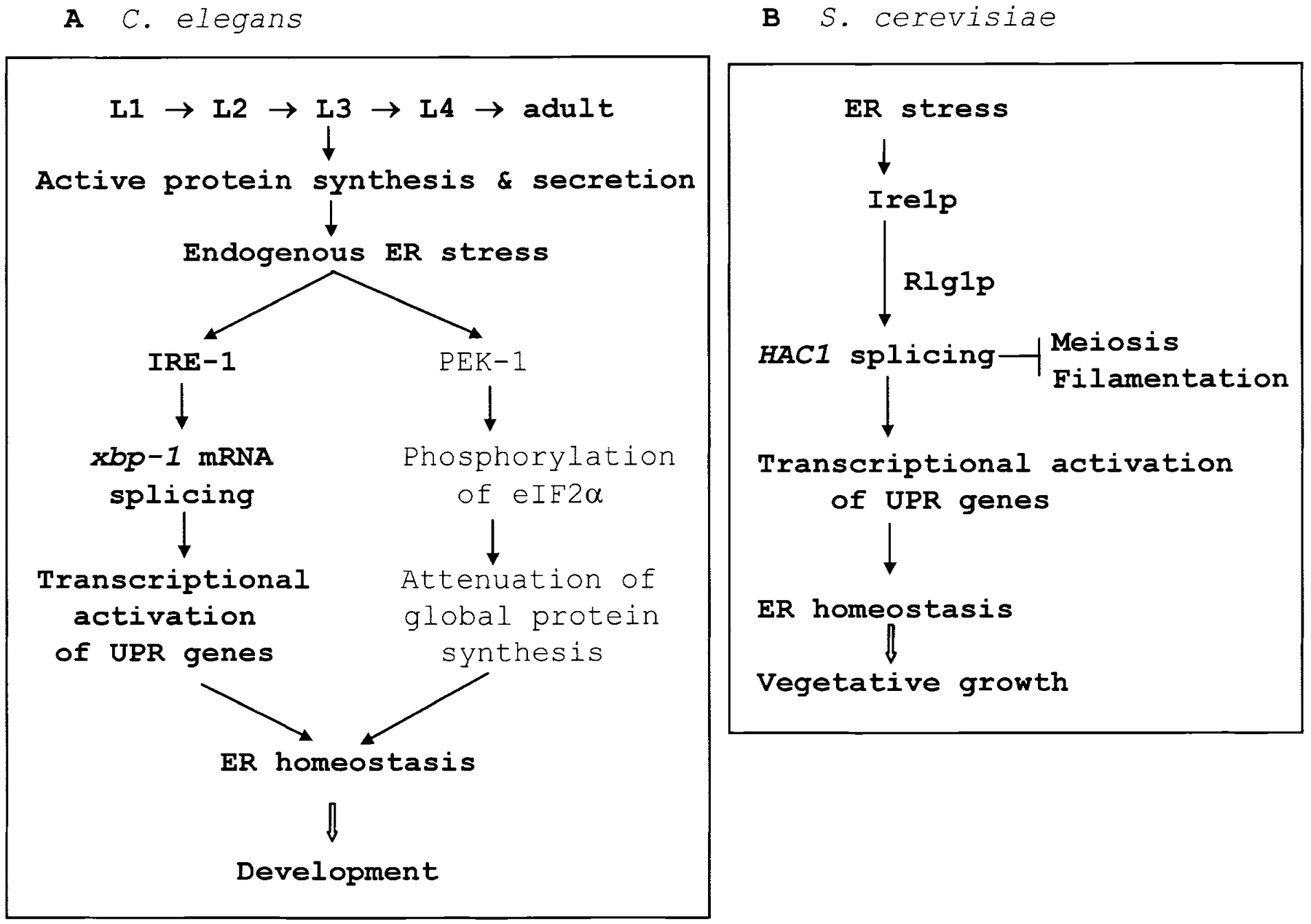
Complementary unfolded protein response pathways are jointly required for C. elegans development, defining conserved logic in endoplasmic-reticulum stress signaling.
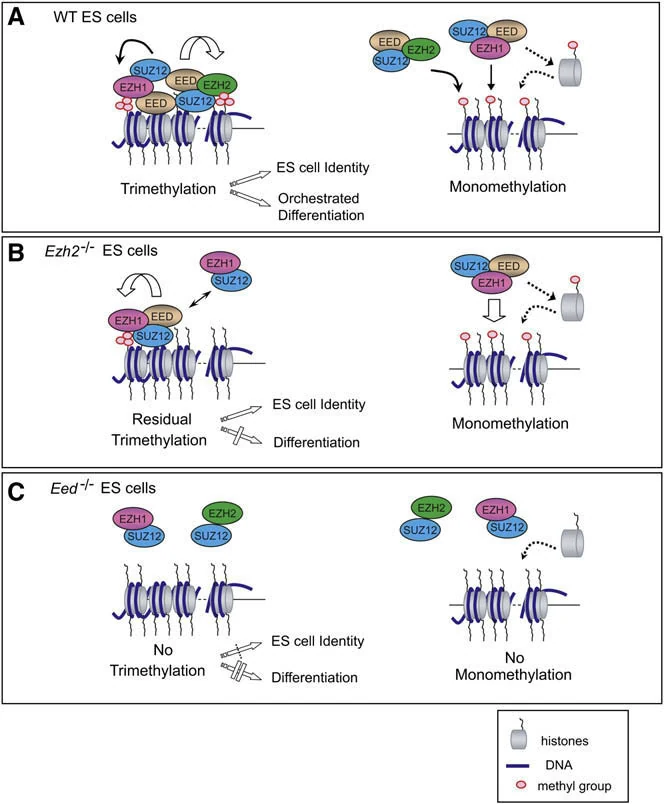
EZH1 and EZH2 provide complementary but nonredundant H3K27 methylation activities that support stem-cell identity and differentiation.
The complete bibliography contains 52 formal publication records spanning 1998 to 2025.
Publication year
Showing 52 publications
No publications match this year and category.