XShen Lab · Research

Biological Information Flow

From Genome to Cell Fate

How does sparse and stochastic genome activity become stable biological information and cell fate

We study the nucleus as a dynamic information-processing system in which genome organization, RNA networks and transcriptional surveillance transform molecular fluctuation into stable cellular identity.

Organization → Processing → Selection → Stabilization

Scientific vision

Dynamic molecular activity Ordered biological states

Although cell types share essentially the same genome, they acquire diverse and persistent identities while transcription, RNA metabolism and chromatin organization fluctuate across space and time.

Biological information therefore cannot be understood as a simple DNA → RNA → protein pathway. It is continuously organized, interpreted and selected through the noncoding genome, nuclear architecture, RNA regulatory networks and transcriptional environments.

Our long-term goal is a predictive framework, grounded in physical principles and statistical theories, for understanding cellular states in development, aging and disease.

Four connected research programs

One information system viewed in sequence

Move horizontally from the organization of the genome to the stabilization of cell fate. Each program asks a distinct question, but the mechanism flows continuously across the four stages.

01 / 04

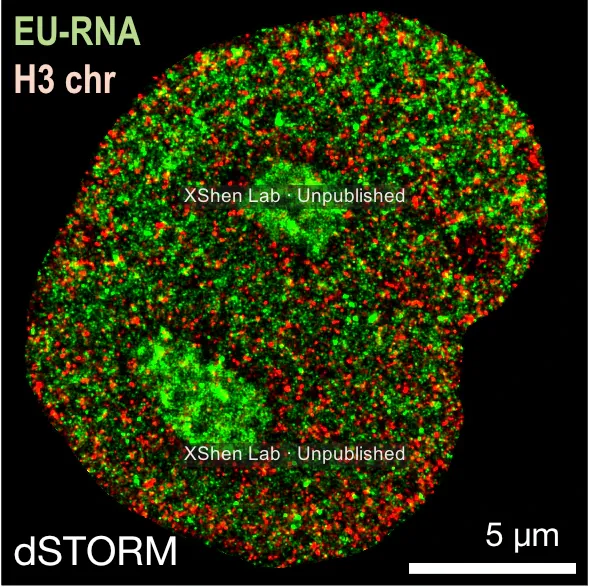
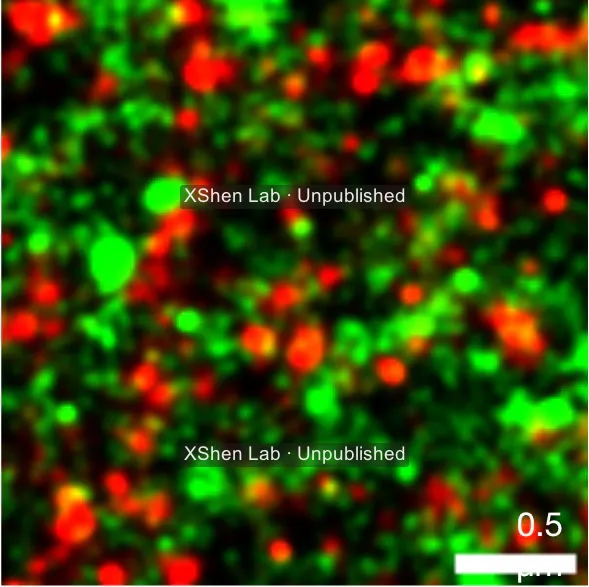
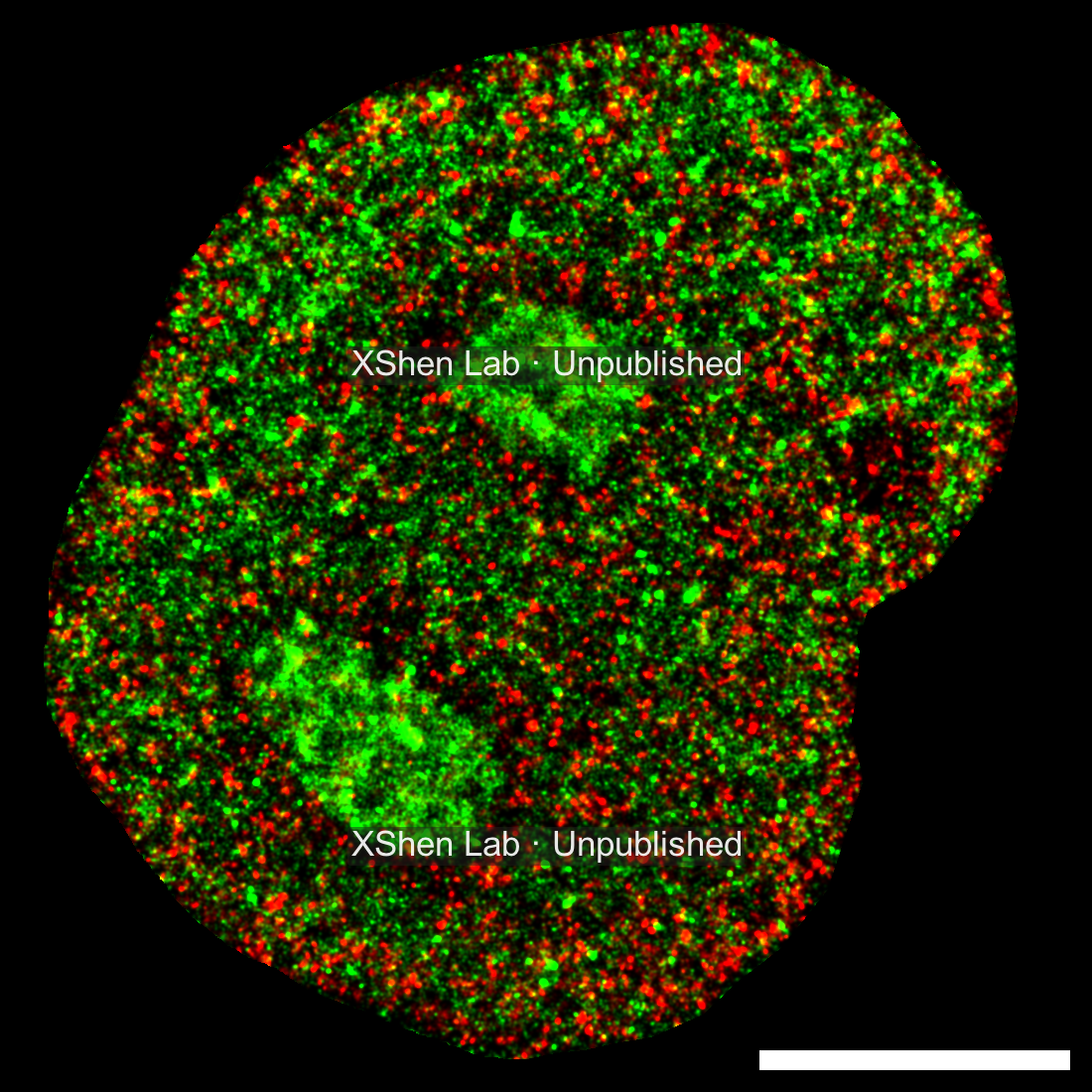
Super-resolution image showing interwoven EU-labeled RNA and H3-marked chromatin in a nucleus
Super-resolution view of spatially interwoven RNA and chromatin.XShen Lab · Unpublished
02 Processing

Processing Biological Information

RNA Networks

How does RNA organize the nuclear environment

RNA is both a carrier of genetic information and a material organizer of nuclear function. Noncoding RNAs regulate neighboring genes and local chromatin states, while RNA-binding proteins form dynamic RNA-associated condensates that influence RNA Polymerase II recruitment, CTD phosphorylation and elongation.

We investigate how nascent RNA, RNA-binding proteins and processing factors assemble an RNA–RBP meshwork that coordinates transcription, RNA maturation, RNA degradation and nuclear organization.

Current focus

  • Nascent RNA and RNA-binding proteins
  • RNA-associated condensates and Pol II regulation
  • Coupling of transcription, processing and nuclear architecture

Transcriptional Surveillance · Mechanism in focus

Working models and ongoing research

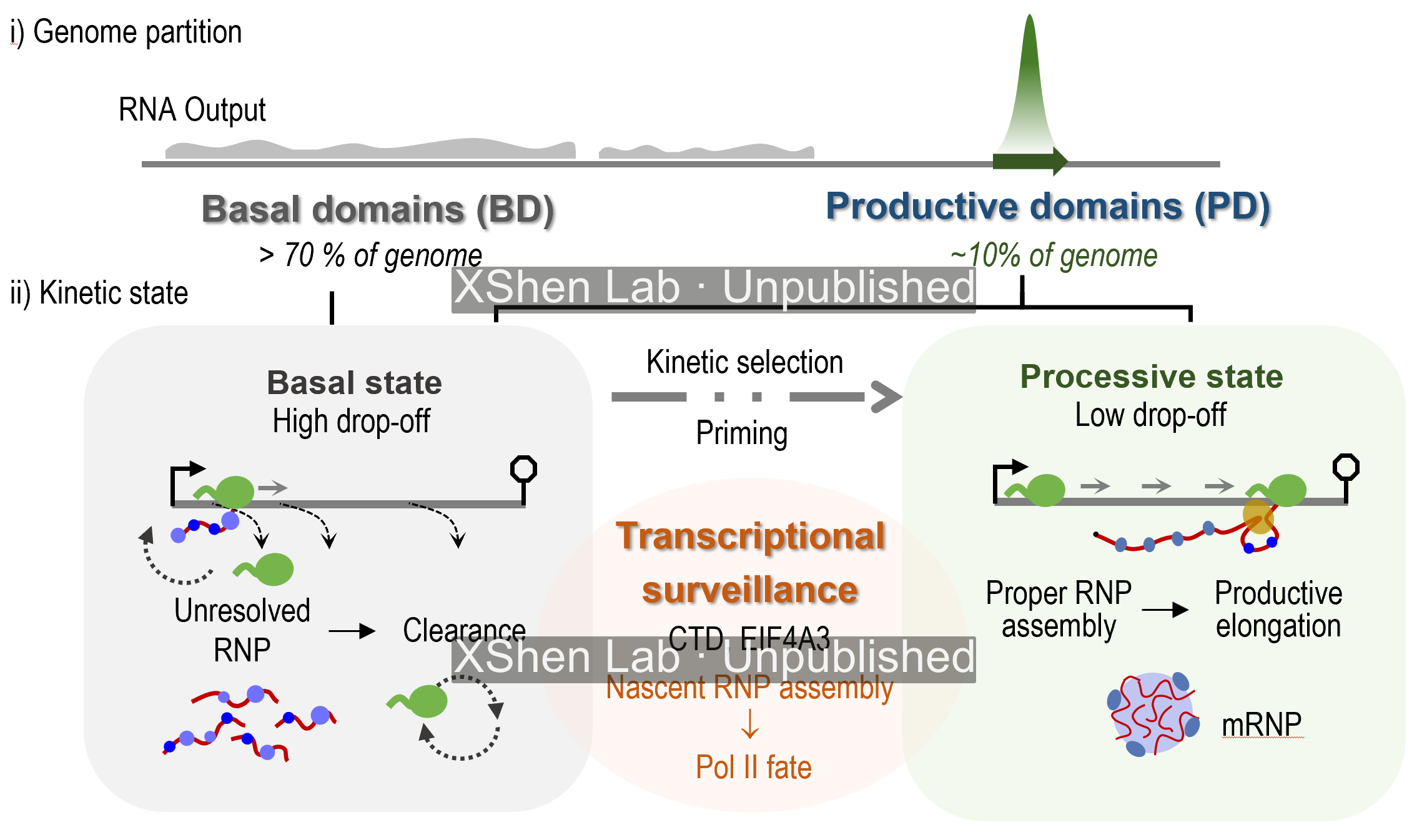
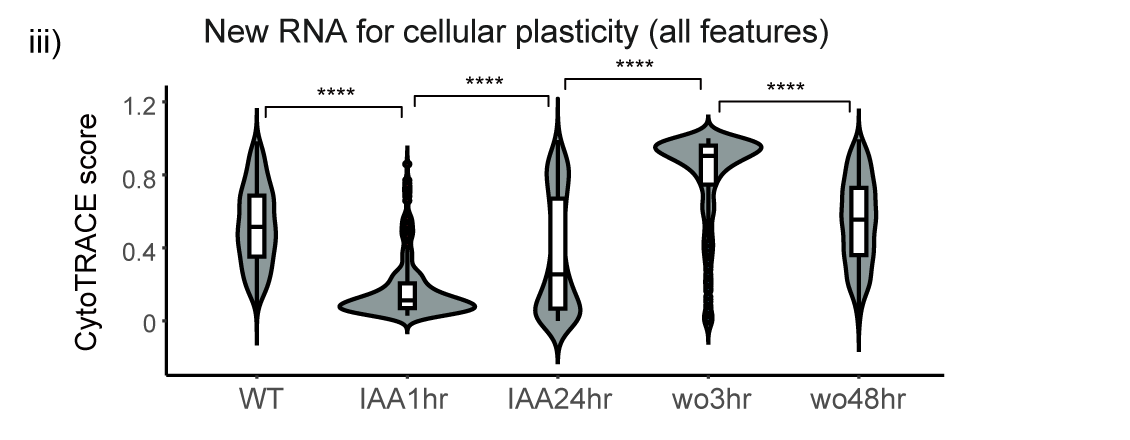
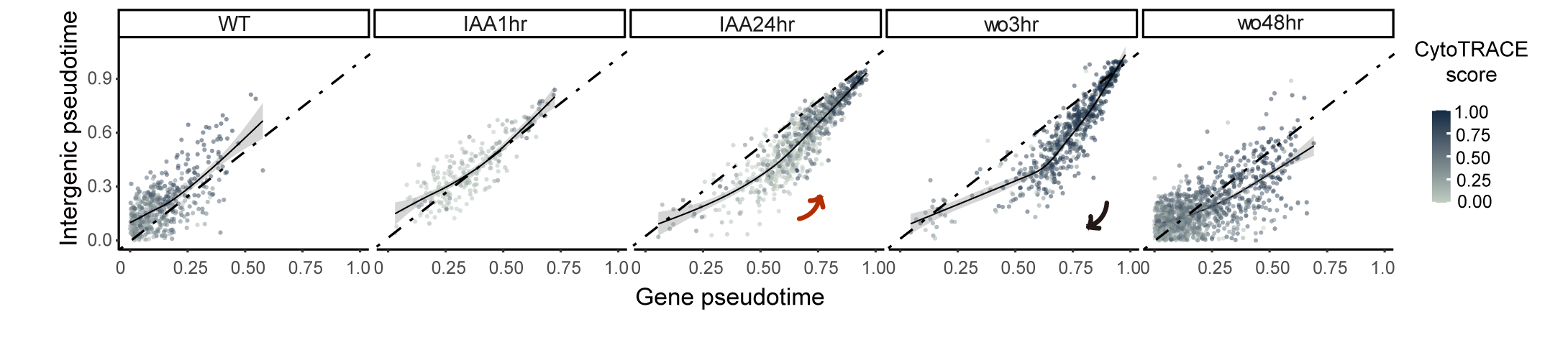
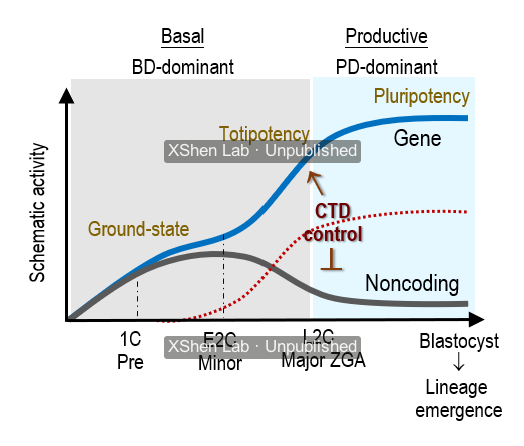
Kinetic selection turns pervasive transcription into productive output

We distinguish a widespread basal state, in which elongation complexes frequently drop off, from a processive state that supports proper nascent RNP assembly and productive elongation. Transcriptional surveillance links RNA Polymerase II CTD state, EIF4A3 and RNA-processing pathways to this kinetic transition.

Working model comparing basal transcriptional domains with productive domains and showing kinetic selection through CTD- and EIF4A3-linked transcriptional surveillance
01 · Model
Basal and processive elongation states are connected through kinetic selection, nascent RNP assembly and RNA Polymerase II fate.XShen Lab · Unpublished

Three views of the same transition

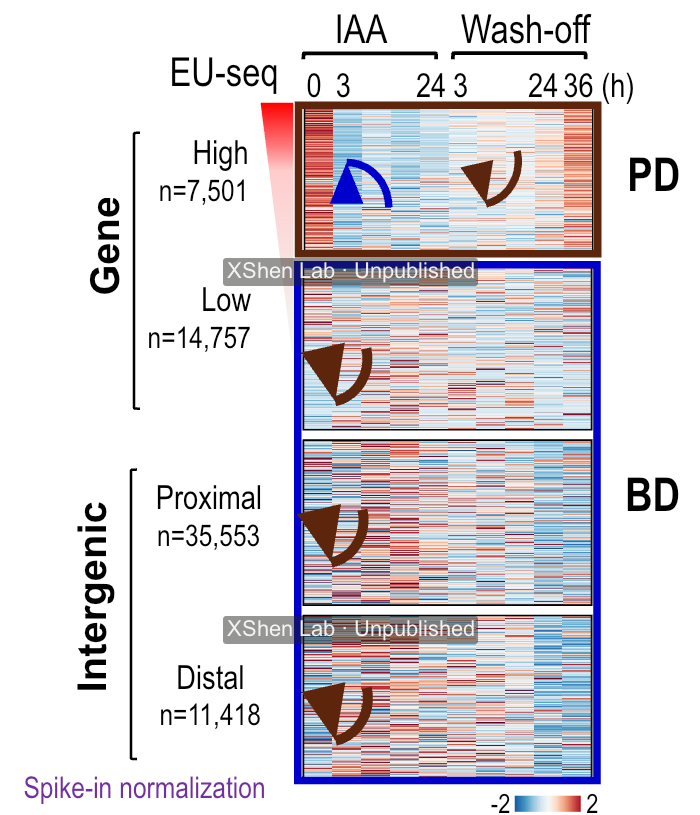
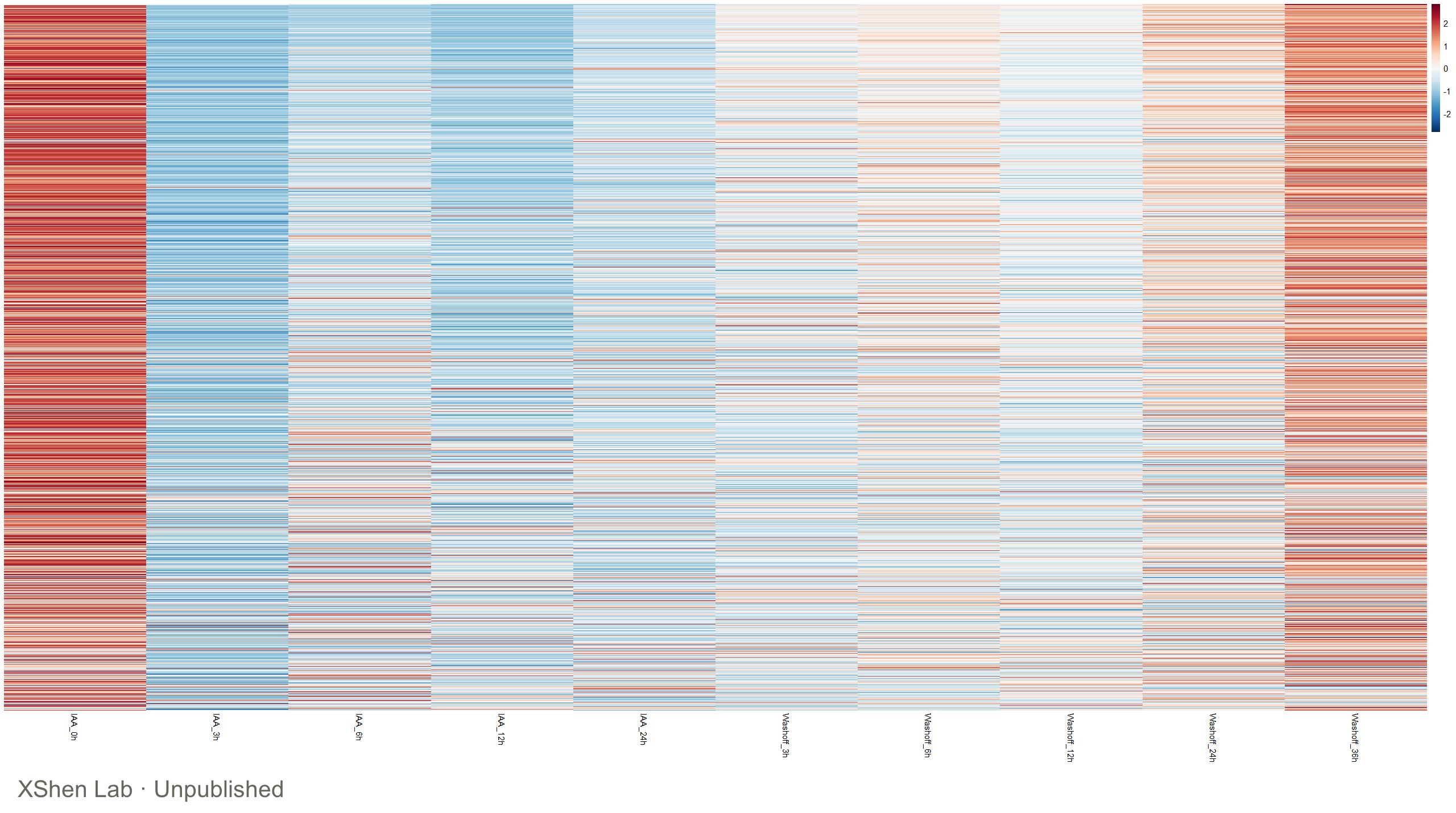
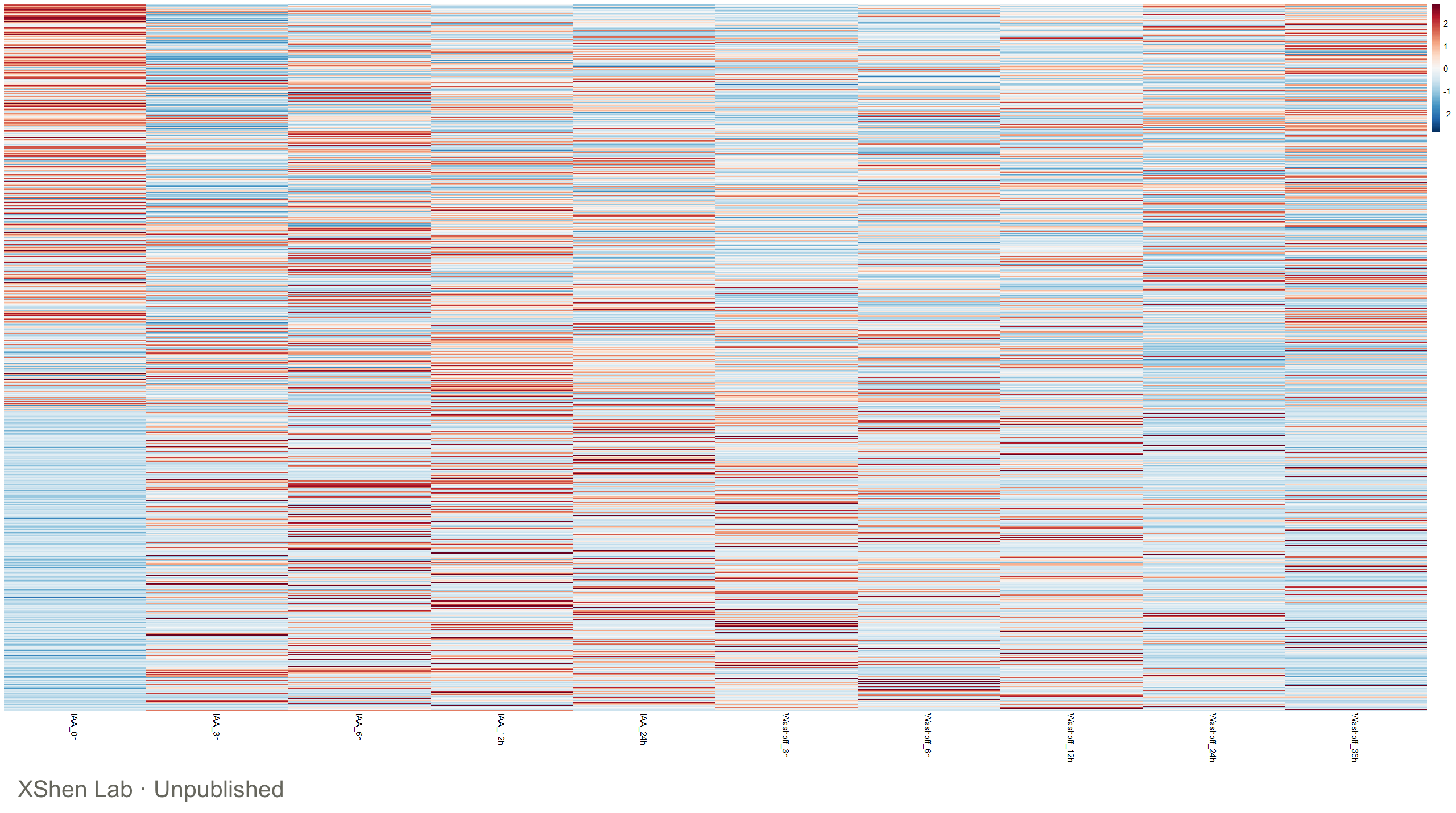
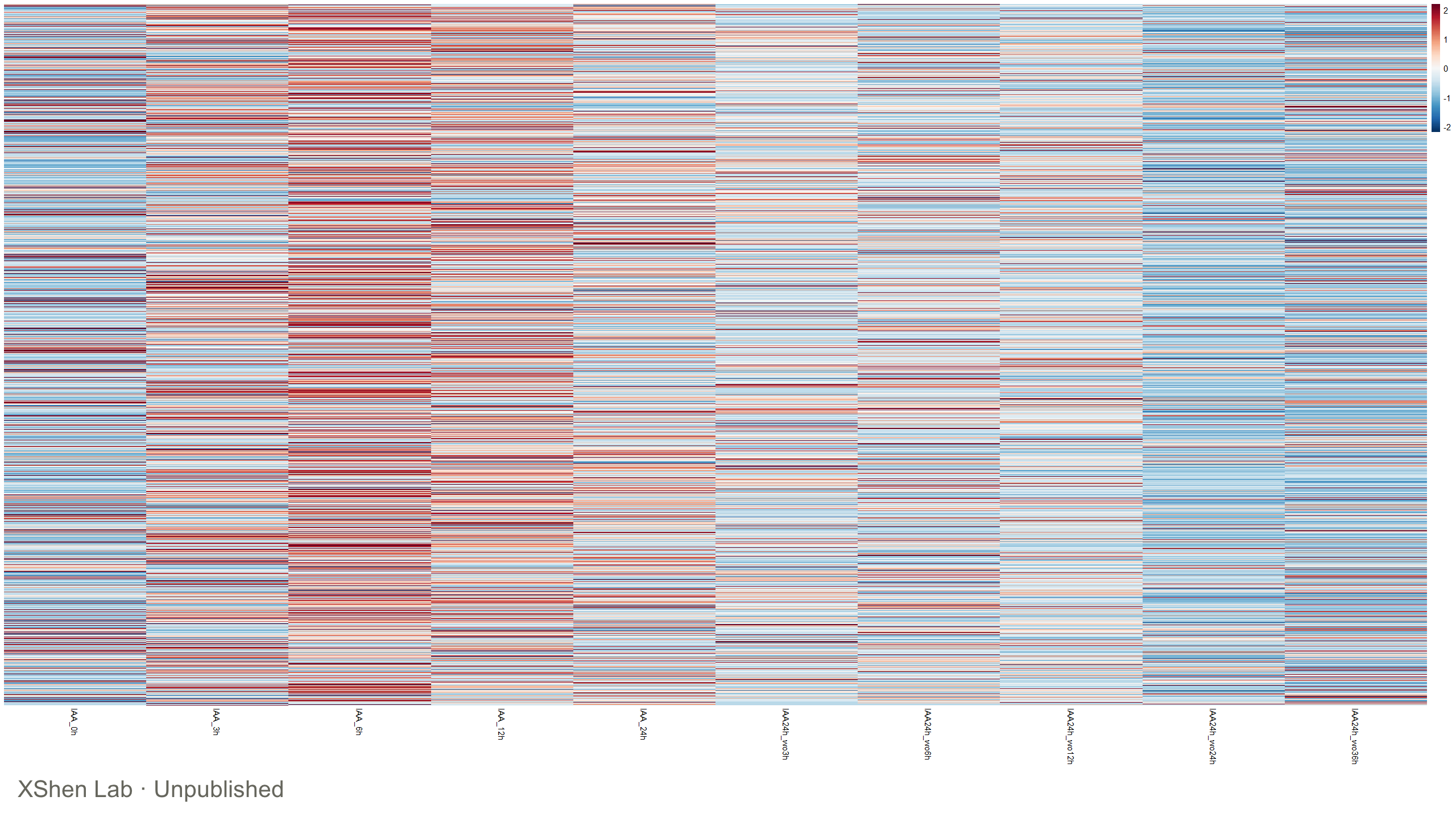
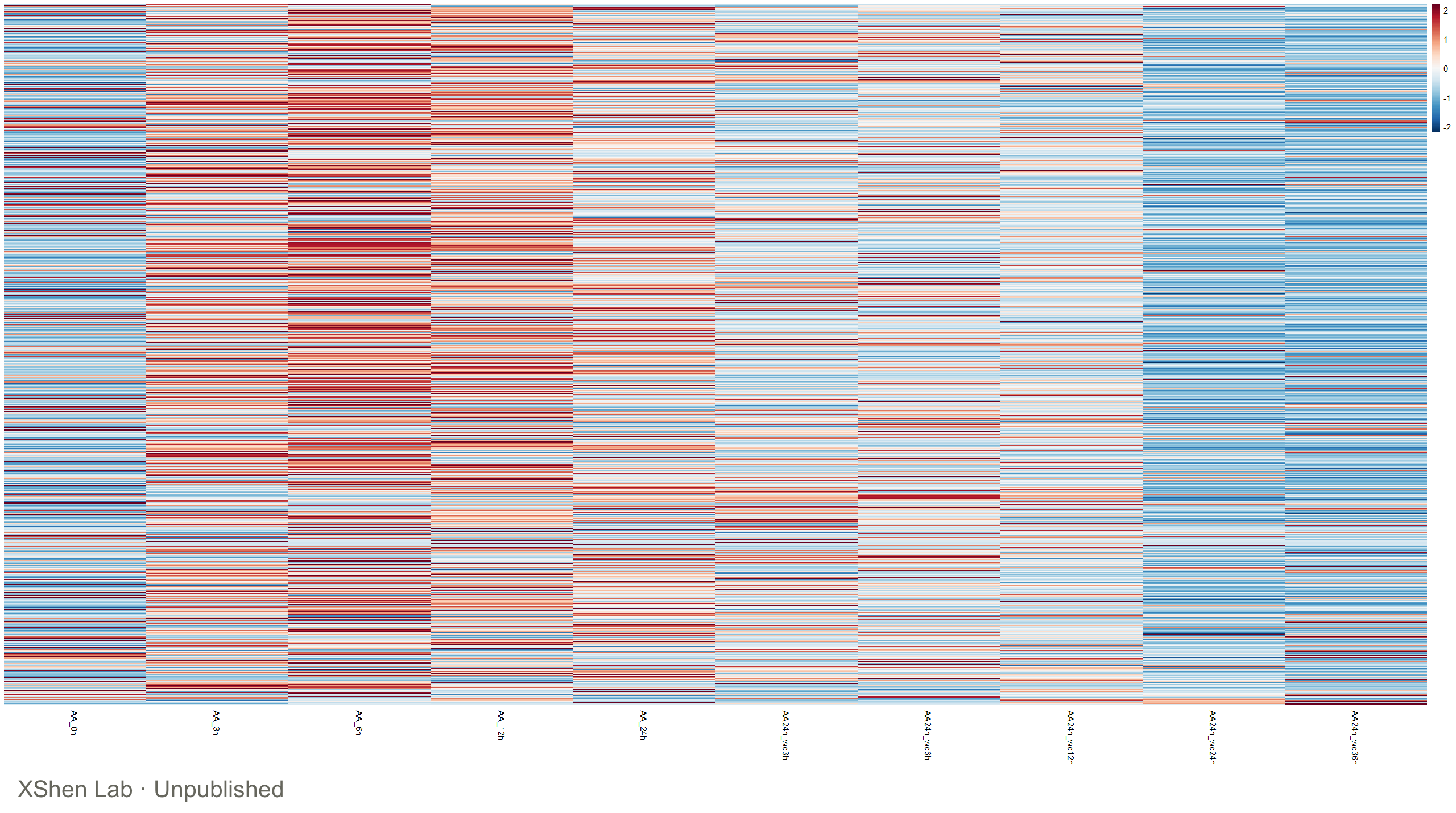
IAA 0 / 3 / 6 / 12 / 24 h → Wash-off 3 / 6 / 12 / 24 / 36 h

High-output genesn = 7,501

High-output genes — EU-seq

Low-output genesn = 14,757

Low-output genes — EU-seq

Proximal intergenic regionsn = 35,553

Proximal intergenic regions — EU-seq

Distal intergenic regionsn = 11,418

Distal intergenic regions — EU-seq
02Read the CTD response over time

EU-seq responses across IAA treatment and wash-off, separating genes in productive domains from intergenic bins in basal domains.

XShen Lab · Unpublished
Rows
High- and low-output genes; proximal and distal intergenic bins
Columns
IAA treatment and wash-off time points in hours
Color
Spike-in-normalized EU-seq signal
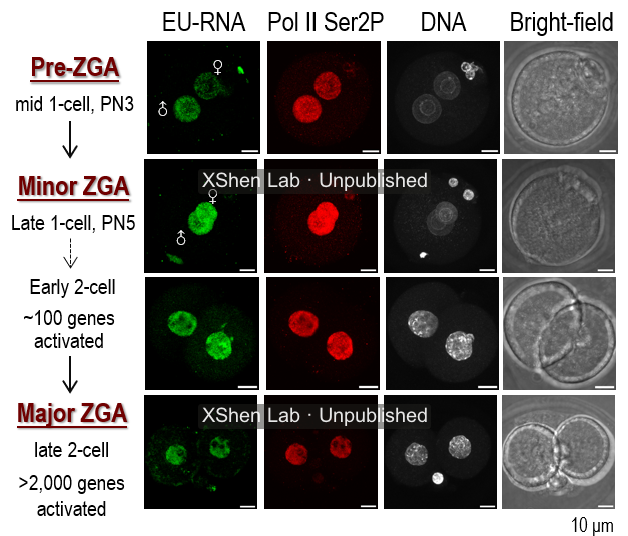
EU-RNA and RNA Polymerase II Ser2P imaging across pre-ZGA, minor-ZGA and major-ZGA stages
03Watch surveillance emerge

EU-RNA and Pol II Ser2P imaging across pre-, minor- and major-ZGA stages.

XShen Lab · Unpublished
Working model connecting CTD maturation with the transition from basal to productive transcription during zygotic genome activation
04Connect mechanism to state

A working model links CTD maturation and zygotic genome activation to the transition from basal- to productive-domain activity.

XShen Lab · Unpublished

The nucleus as a system

Two interwoven polymer networks shape information flow

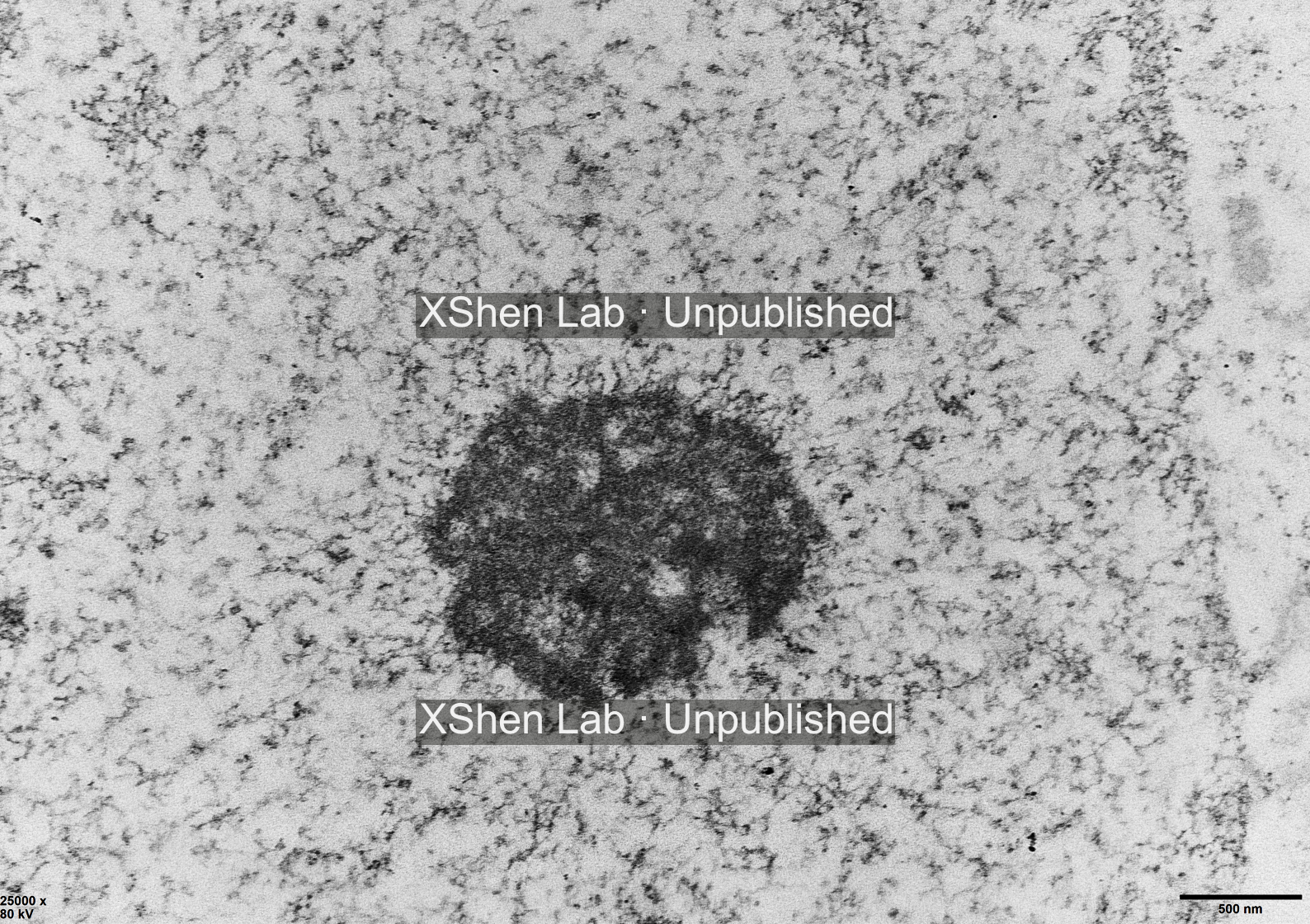
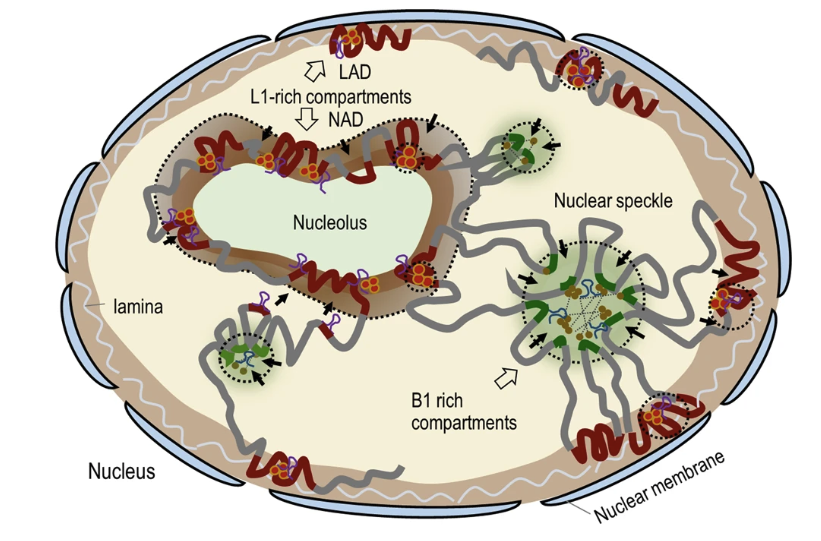
The nucleus is a far-from-equilibrium polymer–electrolyte system. Chromatin carries genetic information and provides the structural basis for genome folding; the RNA–RBP meshwork, composed of nascent RNA, RNA-binding proteins and RNA-processing factors, helps determine when, where and how genomic information is accessed.

Their interface—the Perichromatin Region—is a dynamic surface where transcription, RNA processing, RNP assembly, RNA degradation and nuclear transport are spatially and functionally coupled. Transcription continually introduces RNA, energy and entropy into this active system.

Electron-microscopy view of a dense nuclear domain surrounded by an RNA–RBP meshwork
01
Electron-microscopy view of nuclear organization and the surrounding RNA–RBP meshwork.XShen Lab · Unpublished
Super-resolution image showing interwoven EU-labeled RNA and H3-marked chromatin in a nucleus
02
Super-resolution view of RNA and chromatin nanodomains.XShen Lab · Unpublished

Technology across scales

Measure reconstruct and model the process

Quantitative experiments and theory are developed together rather than treated as isolated platforms.

  1. 01Molecular

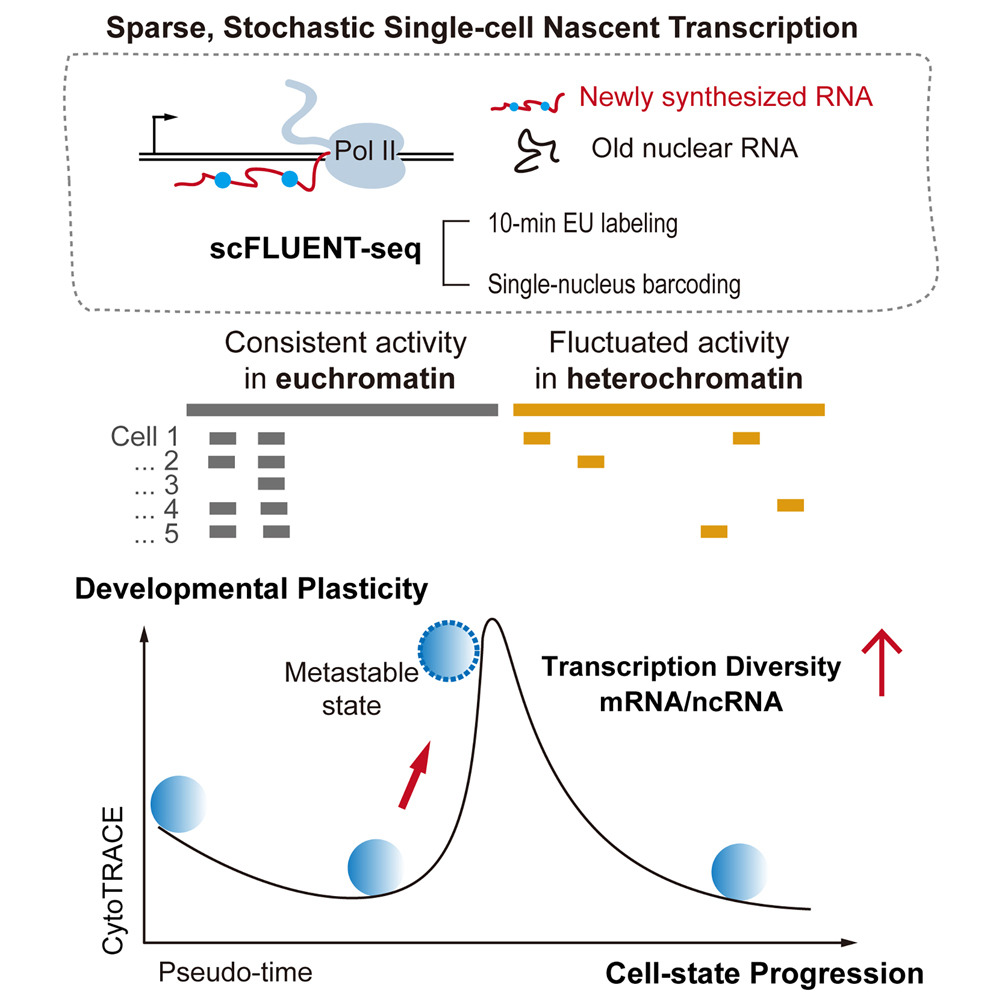
    Single-cell genomics · nascent transcriptomics

  2. 02Spatial

    Live-cell imaging · super-resolution microscopy · electron microscopy

  3. 03Perturbation

    Auxin-inducible degron (AID) for acute protein depletion and recovery after auxin washout

  4. 04Biochemical reconstitution

    Reconstituting molecular interactions and activities with defined components

  5. 05Modeling

    Statistical and kinetic models of transcription and cell-state dynamics

Future vision

Toward a predictive theory of cell state

We aim to move beyond gene-centric and pathway-centric descriptions toward physical principles, statistical theories and predictive models that connect DNA sequence, nuclear organization, RNA processing, transcriptional selection and cell fate.

Explore our publications