
In Search of Life’s Simple Rules An Invitation to Rotate
Life is like an elephant whose whole form we cannot see. We can often touch only a single molecule, pathway, or phenotype—but how do these parts connect?
XShen Lab · Tsinghua University
From Genome to Cell Fate
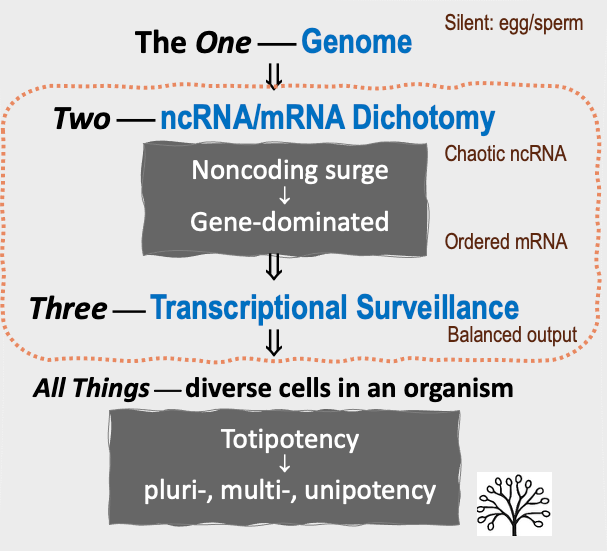
How does sparse and stochastic genome activity become stable biological information and cell fate
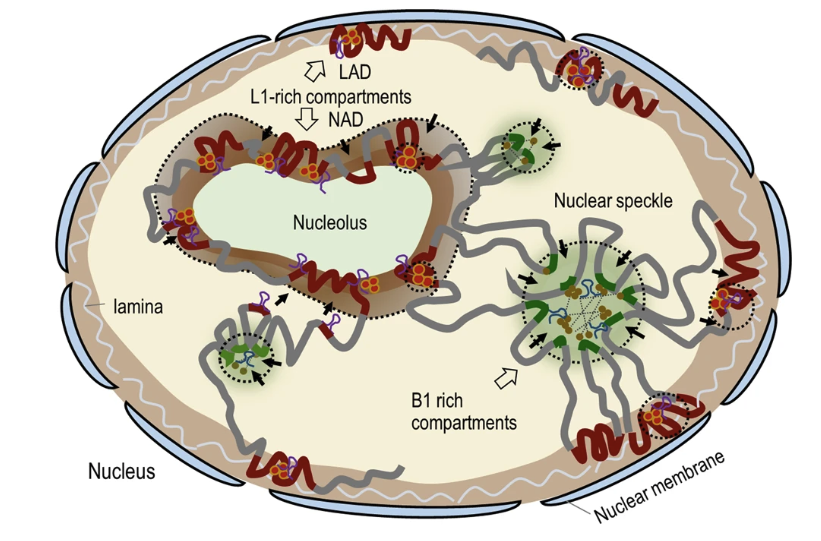
We study how information is continuously organized, processed, selected and stabilized across the genome, nucleus and cell.
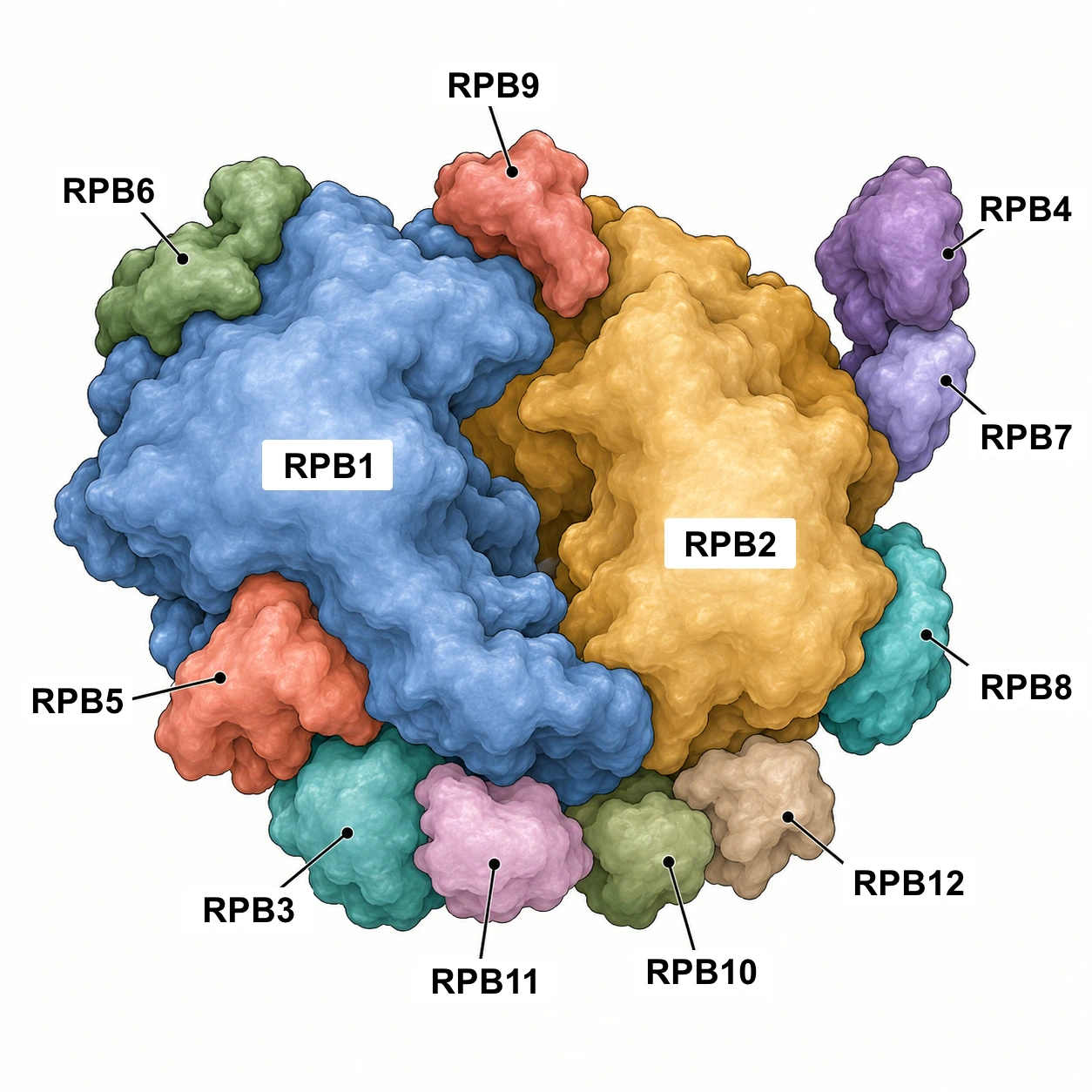
0105 — RNA polymerase II
Lab notes
Essays and updates that show the questions, values, and life behind the research.
Life is like an elephant whose whole form we cannot see. We can often touch only a single molecule, pathway, or phenotype—but how do these parts connect?
To me, science is a serious game played by children. Awe and curiosity toward nature allow me to remain naïve—even audacious—yet also humble and cautious.
The central scientific tension
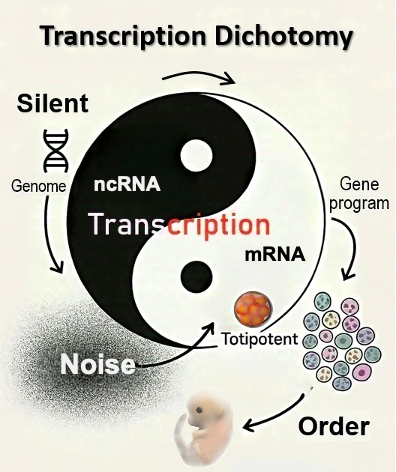
Cells share essentially the same genome, yet establish diverse and persistent identities while transcription, RNA metabolism and chromatin organization continually fluctuate across space and time.
Genome activity is transient and heterogeneous within individual cells.
Cellular states persist across time and populations.
Biological information flow
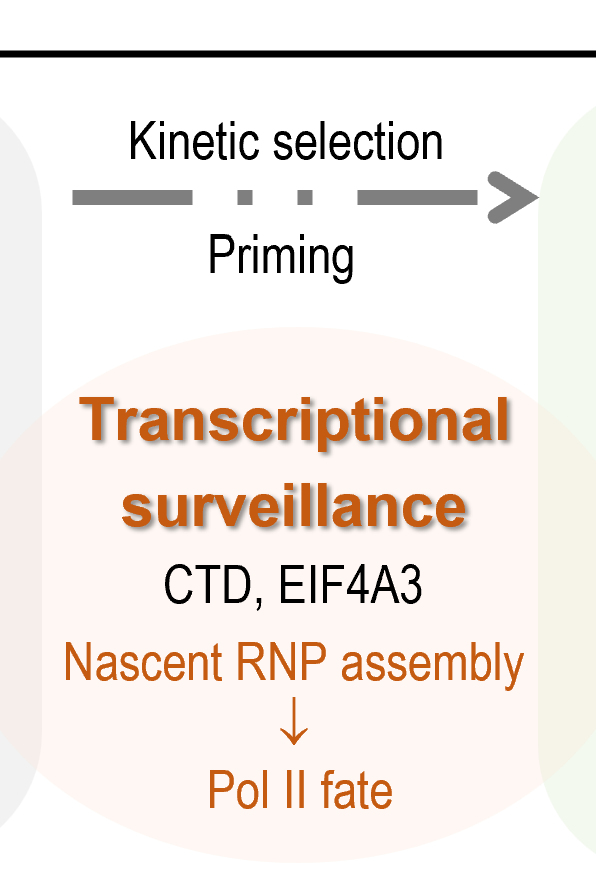
The laboratory connects genome organization, the RNA–RBP meshwork, transcriptional surveillance and probabilistic cell-state dynamics in one continuous framework.
How does genome sequence encode nuclear organization
How does RNA organize the nuclear environment
How does productive information emerge from pervasive transcription
How do probabilistic genome activities generate stable cell identity
Research programs
Technology across scales
We integrate molecular, spatial, cellular and theoretical approaches. The methods are connected by the scientific question—not presented as isolated platforms.
Featured discovery
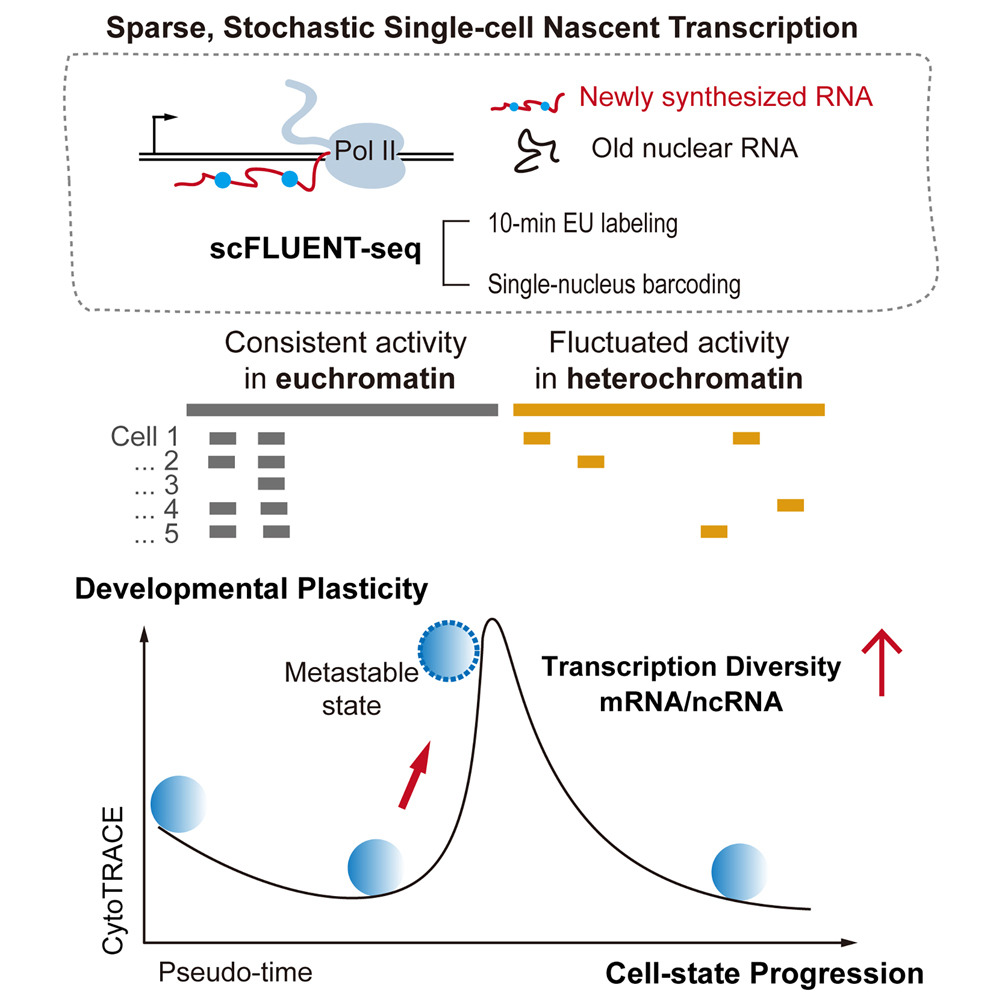
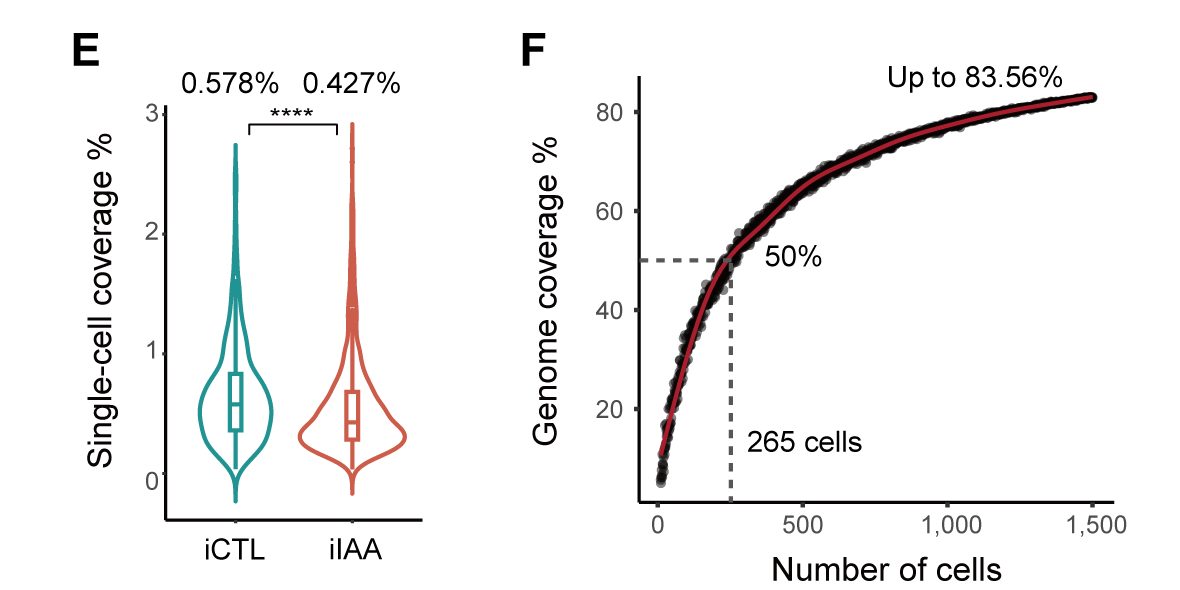
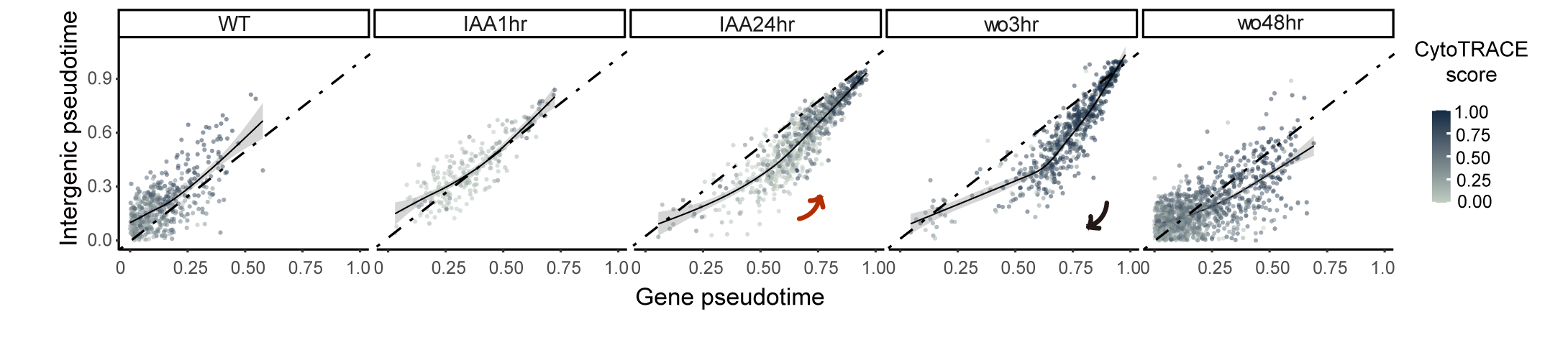
scFLUENT-seq reveals sparse and stochastic genome usage in individual cells and links transcriptional diversity to cellular plasticity.
People
Our team brings together molecular cell biology, genomics, bioinformatics, biophysics, mathematics and computational biology.
Join the lab
We welcome motivated students and researchers interested in nuclear organization, genome regulation, transcription, noncoding RNA, single-cell genomics and cell fate.
Experimental, computational and quantitative backgrounds are welcome.
Develop independent questions within the laboratory’s scientific framework.
Support experimental, computational or interdisciplinary projects.
Connect complementary questions, systems and methods across scales.